Philadelphia, PA
Pest control Philadelphia: rowhouse gaps and humid summers
Pest control in Philadelphia, done by the season
Philadelphia rowhouses share walls, which means a mouse or cockroach problem in one home can move next door within days. This guide covers what to look for, when to call, and what fair pricing looks like across the city.
Questions Philadelphia homeowners ask
How often should pest control be done in Philadelphia?
Most rowhouse owners in Philadelphia benefit from quarterly service because shared walls allow pests to migrate from neighboring properties. A single annual treatment is rarely enough to maintain control through all four seasons.
Is pest control safe for children and pets?
Products used in residential pest control in Philadelphia PA should be applied in targeted locations rather than broadcast-sprayed throughout living areas. Ask the technician for the product name and safety data sheet before any treatment, and follow any re-entry instructions they provide.
How do I know if I have termites in Philadelphia?
Termite swarmers—small winged insects that appear on warm spring days—are often the first visible sign. You may also find mud tubes along foundation walls, hollow-sounding wood near the basement, or small piles of frass near baseboards. Spring is the most common time for swarms in older Philadelphia neighborhoods.
What should I ask before signing a pest control contract?
Ask how long the contract runs, whether it auto-renews, and exactly what triggers a cancellation fee. Also confirm how many visits are included, what products will be used, and whether follow-up visits are covered if pests return between scheduled appointments.
Why Philadelphia homes face persistent pest pressure
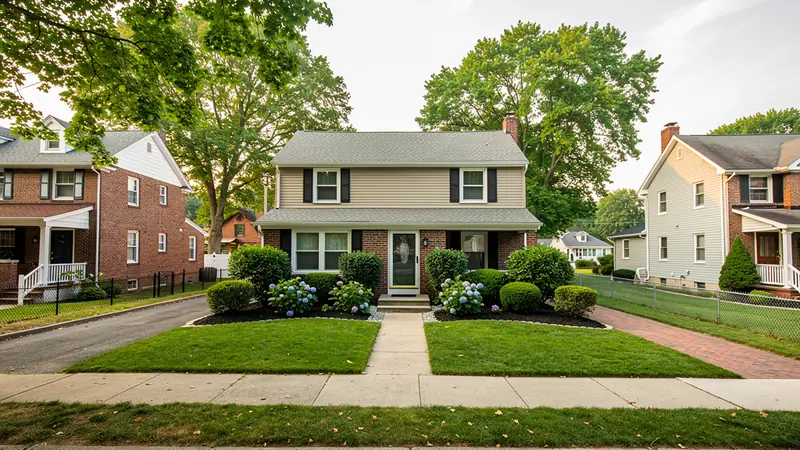
The older housing stock throughout Philadelphia—brick rowhouses from Fairmount to Kensington, frame dwellings in Fishtown, narrow row homes climbing the hills of Manayunk—was built long before modern pest-proofing standards. Gaps around pipe penetrations, cracked mortar, and aging window frames give ants, mice, and cockroaches easy entry points. Shared rowhouse walls mean an infestation rarely stays contained to one address.
Hot, humid summers along the Schuylkill River corridor push basement moisture levels high enough to attract silverfish and encourage mold. Come fall, stink bugs and ants push indoors as temperatures drop. Spring brings termite swarm season, especially in older North Philadelphia neighborhoods where soil conditions favor eastern subterranean termites.
Any treatment plan for pest control in Philadelphia PA should account for these seasonal cycles and the structural quirks of the local housing stock—not just respond to visible activity.
- Rowhouse construction creates shared entry points along party walls
- Humid summers keep crawl spaces and basements damp, attracting moisture-loving pests
- Termite swarms are most common in spring near older brick foundations
- Stink bugs and ants move indoors each fall as temperatures cool
Common pests and what a thorough inspection covers
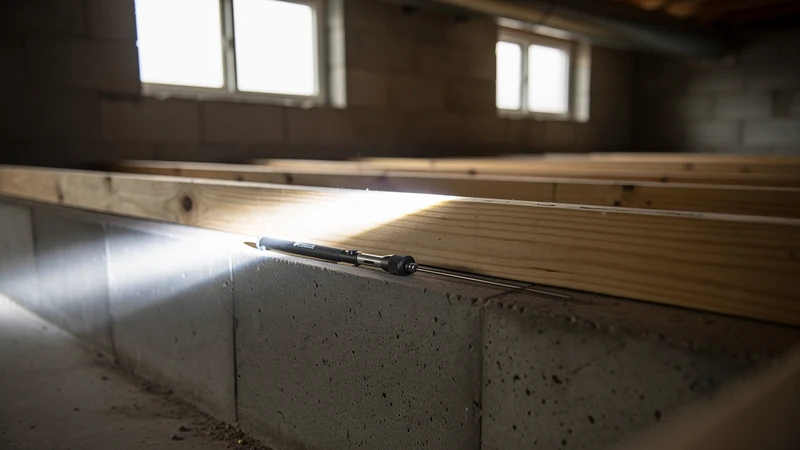
A qualified technician working in Philadelphia should inspect more than the room where activity was spotted. Good practice includes checking the basement for rodent burrows and moisture damage, probing wood near the foundation for termite galleries, and examining kitchens and bathrooms for cockroach harborage behind appliances.
Before any product is applied, ask the technician to explain exactly what will be used and where. Homeowners have a right to know the active ingredients, especially in households with children or pets. A written service report after each visit is standard and helps track whether the problem is improving between appointments.
For pest control near me searches, the key is finding someone who inspects the whole structure rather than only the areas you point out. Several common complaints from Philadelphia residents describe technicians who spent fewer than ten minutes on site without checking entry points or setting interior traps.
- Full inspection covers basement, exterior foundation, kitchen, and any attached garage
- Written report after each visit should list products used and locations treated
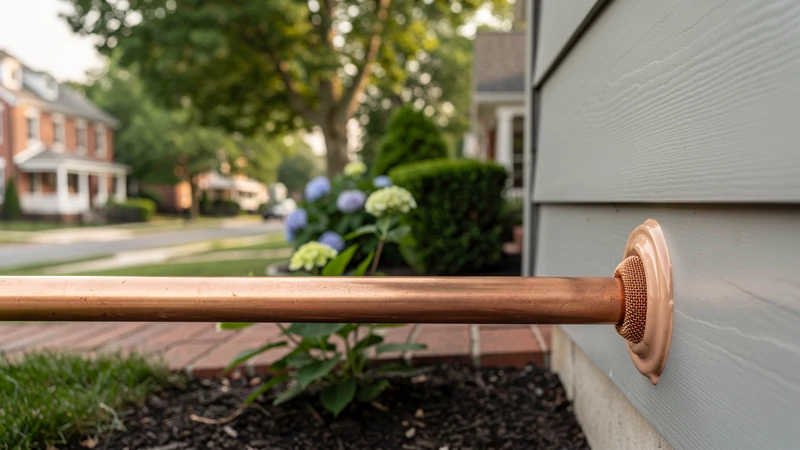
- Entry-point sealing—steel mesh around pipes, caulk on window frames—matters as much as chemical application
- Ask whether the service includes a follow-up visit if activity continues
Seasonal timing for pest control in Philadelphia
Pest activity in Philadelphia follows a predictable pattern tied to the region's hot humid summers and cold winters. Scheduling service to align with that cycle is more effective than reacting only after an infestation becomes visible.
Spring is the right time to inspect for termite activity, particularly in older neighborhoods near Independence Hall and throughout North Philadelphia. Swarmers—winged termites—appear on warm days and are often mistaken for flying ants.
Summer brings ants, mosquitoes, and cockroach pressure. Basements stay damp through the humid season, so quarterly service through summer is common for rowhouse owners.
Fall is when stink bugs and cluster flies seek warmth indoors. Sealing gaps before October reduces how many make it inside.
Winter is when rodent pressure peaks. Mice move toward heat sources and food, and Philadelphia's dense rowhouse blocks give them plenty of routes between buildings. Rodent control in Philadelphia should include exterior exclusion work, not just interior trapping.
- Spring: inspect for termite swarmers near foundations and crawl spaces
- Summer: quarterly service addresses ants and cockroaches during peak humidity
- Fall: seal gaps in siding and around windows before stink bugs move in
- Winter: rodent exclusion along foundation lines and utility penetrations
What pest control costs in Philadelphia
Pricing for pest control in Philadelphia PA varies by pest type, home size, and whether the problem is active or being prevented. A one-time initial treatment typically runs $155 to $310. Quarterly service plans, which cover four visits a year and are common for rowhouse owners who want year-round coverage, run $105 to $210 per visit.
More specialized work costs more. Termite treatment ranges from $520 to $2600 depending on the method and the extent of the infestation. Bed bug treatment for a whole home runs $1040 to $2600. Rodent exclusion and trapping is typically $310 to $935.
Expect any honest quote to itemize what is included: number of visits, products applied, and whether follow-up is covered. A quote that only gives a single number without detail is worth questioning. See the full Philadelphia pest control pricing guide for a breakdown by service.
- Initial one-time treatment: $155 to $310
- Quarterly service per visit: $105 to $210
- Termite treatment: $520 to $2600
- Bed bug whole-home treatment: $1040 to $2600
- Rodent exclusion and trapping: $310 to $935
Neighborhoods served across Philadelphia
Pest pressure varies by neighborhood based on housing type and proximity to green spaces or waterways. Fairmount rowhouses near the Schuylkill River Trail deal with higher moisture, which draws silverfish and cockroaches into basements. Fishtown's frame dwellings along the Delaware River corridor face similar humidity issues plus rodent pressure from nearby commercial areas.
Kensington's dense residential blocks and former factory buildings create harborage for rodents and cockroaches behind walls and in crawl spaces. Manayunk's hilly cobblestone streets and compact row homes make foundation gaps harder to spot and seal.
Philadelphia Pest Crew connects homeowners across these neighborhoods to qualified local technicians. Explore area-specific guides for Fairmount, Fishtown, Kensington, and Manayunk.
- Fairmount: moisture from the Schuylkill River raises basement pest risk
- Fishtown: frame dwellings and commercial neighbors increase rodent pressure
- Kensington: former industrial buildings provide harborage for cockroaches and mice
- Manayunk: compact hillside row homes with hard-to-reach foundation gaps
Pest services in Philadelphia

Philadelphia neighborhoods
Talk to a local pest pro this week
Call (267) 936-4019